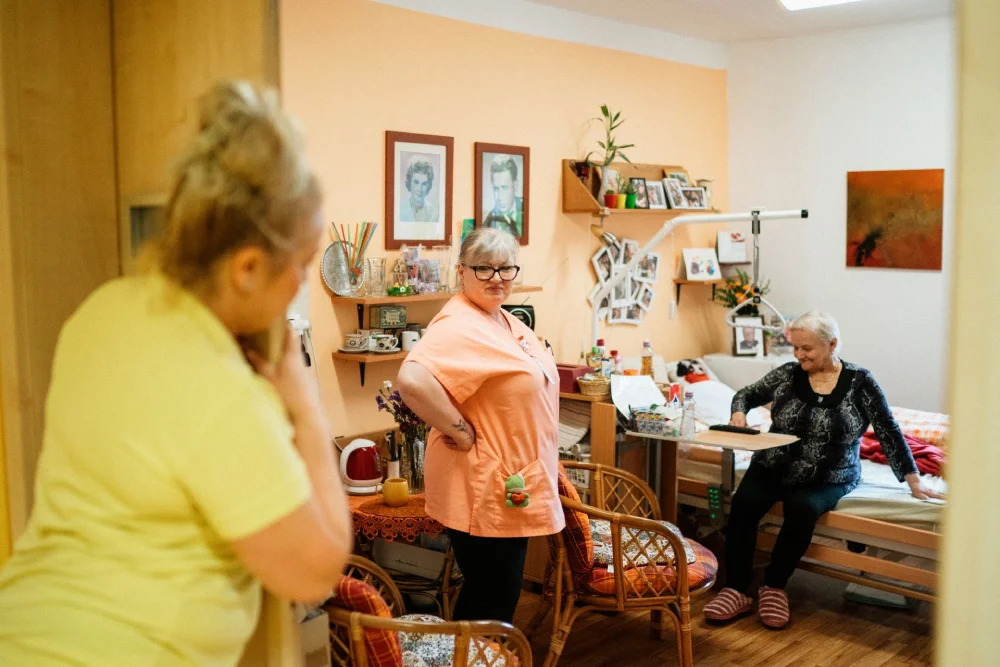
Noticing the signs of dementia in someone you love is rarely easy. Early signs like missed medication or carer burnout may show it is time to seek help for dementia care.
Dementia care at home offers compassionate, flexible support in familiar surroundings, helping them maintain their independence and daily routines.
This guide covers what home care involves, when to seek help, and how to arrange trusted local support.
Table of Contents
- What is dementia care in Pinner like?
- Signs your loved one may need dementia home care
- What dementia care at home includes
- Home care versus a care home for dementia
- How to arrange dementia support with Carpenders Care
- Common questions about dementia care
- Take the next step towards compassionate dementia care
What you’ll learn
|
What is dementia care in Pinner like?
Choosing home care dementia services provides specialist support that helps a person living with dementia or Alzheimer’s stay safely in their own home.
Trained carers assist with daily tasks, medication, and companionship while keeping familiar routines intact. The aim is dignity, reassurance, and quality of life in a place your loved one already knows.
This matters because most people with dementia are not in care homes. According to the Alzheimer’s Society, two-thirds of people with dementia live in the community rather than residential care.
Staying at home is the norm, not the exception, and the right support makes it sustainable.
Signs your loved one may need dementia home care
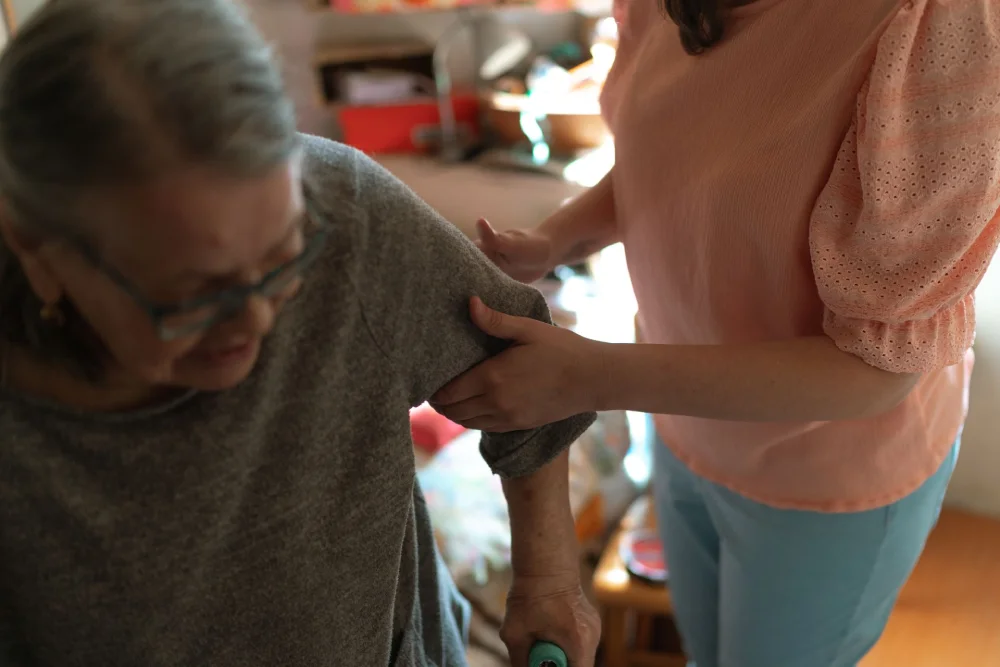
Certain changes suggest extra support would help. Recognising these signs early ensures the care of a person with dementia is put in place before a crisis, rather than after a fall or hospital stay.
Common signs include:
- Missing medication, meals, or appointments
- Confusion about time, place, or familiar people
- Neglecting personal hygiene or household tasks
- Wandering, restlessness, or disturbed sleep
- Increased anxiety, agitation, or withdrawal
- Family carers feeling exhausted or stretched too thin
Diagnosis often comes late, which delays support. Alzheimer’s Society estimates there are 982,000 people with dementia in the UK, yet more than a third do not have a diagnosis. If you have noticed these signs, it is worth acting on them.
What dementia care at home includes
Dementia care at home covers practical, personal, and emotional support, all shaped around the individual. Carpenders Care builds a tailored plan and reviews it as needs change, so support grows with your loved one rather than staying fixed.
| Type of support | What it looks like |
|---|---|
| Personal care | Help with washing, dressing, and everyday personal care, given with dignity |
| Medication support | Prompts and reminders so doses are taken correctly and on time |
| Daily living | Meal preparation and day-to-day support to keep home life safe and comfortable |
| Companionship | Conversation, activities, and familiar routines that reduce anxiety |
| Live-in care | Round-the-clock, one-to-one support as an alternative to a care home |
| Respite care | Short-term cover so family carers can rest and recharge |
Home care versus a care home for dementia
For many families, the choice is between moving a loved one into residential care or bringing care to them. Home care keeps the person in familiar surroundings, which can ease confusion and distress that a new environment often triggers.
Reasons families in Pinner often choose home care:
- Familiar surroundings support memory and reduce agitation
- One-to-one attention rather than shared staffing
- Routines, pets, and neighbours stay part of daily life
- Care scales up gradually as needs change
- Partners and family can stay closely involved
With a new case of dementia arising in the world every three seconds, flexible local care is more vital than ever to help people stay safely in their own homes.
‘Every family we meet in Pinner is at a different stage. Some just need an hour or two to help with morning routines, while others need round-the-clock live-in support. What matters most is that the care fits around the person, not the other way around.’ – Moriam Odunusi, Founder |
How to arrange dementia support with Carpenders Care
Arranging dementia and Alzheimer’s care with Carpenders Care in Pinner is straightforward and starts with a conversation, not a commitment. The team listens, then builds a plan around your loved one’s health, routines, and preferences.
The steps are simple:
- Book a free care assessment
- Discuss goals, preferences, and any medical requirements
- Receive a personalised, person-centred care plan
- Meet your DBS-checked carers, specifically trained on how to care for dementia patients
- Start support, with plans reviewed regularly as needs change
Common questions about dementia care
How fast does dementia progress?
It varies widely from person to person. Some people live well for many years after diagnosis, while others decline more quickly, depending on the type of dementia, age, and general health. On average, people live around eight to ten years after diagnosis, though this is only a guide.
What are signs that dementia is getting worse?
Warning signs include increasing confusion, memory loss that affects daily life, and difficulty with tasks that were once easy. You may also notice changes in mood or behaviour, disturbed sleep, wandering, or needing more help with washing, dressing, and eating.
Do dementia patients do better at home or in a nursing home?
Many people with dementia do better at home, where familiar surroundings and routines help reduce confusion and distress. Home care also allows one-to-one support tailored to the individual.
When does a person with dementia need 24-hour care?
Round-the-clock live-in care is often needed when someone can no longer be left safely alone, whether from wandering, falls, or missed medication. It may also become necessary when personal care and supervision are required throughout the day and night.
How quickly can dementia care start?
Care can often be arranged at short notice. The first step is a free care assessment with the Carpenders Care team in Pinner, after which a personalised care plan can be put in place promptly.
Take the next step towards compassionate dementia care
Dementia care in the UK keeps your loved one safe and comfortable at home while giving your family peace of mind. If you are exploring dementia help at home in Pinner, Carpenders Care is here to guide you toward the right support.