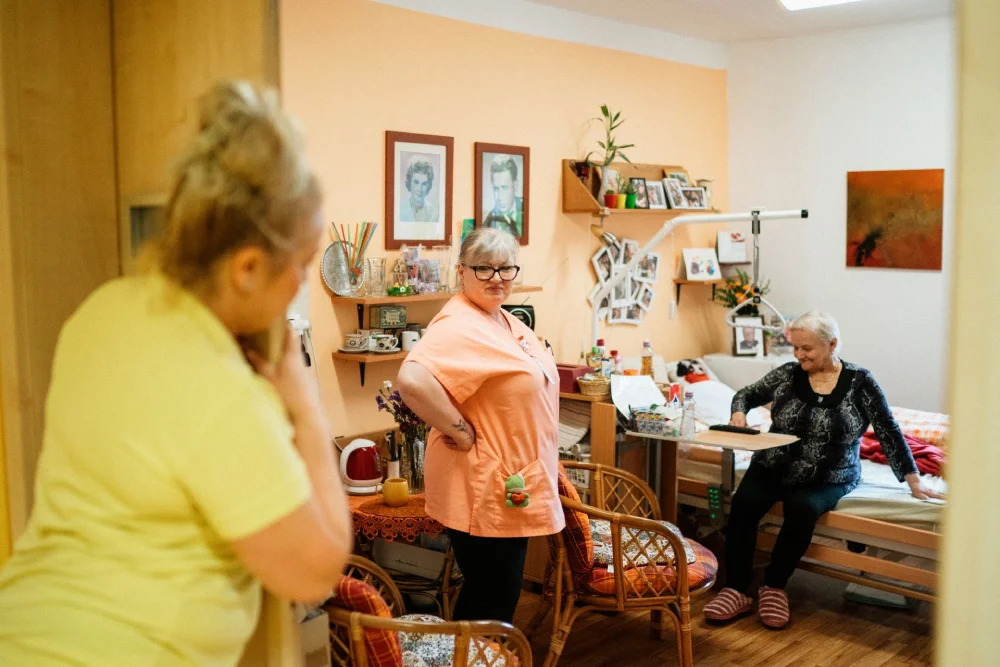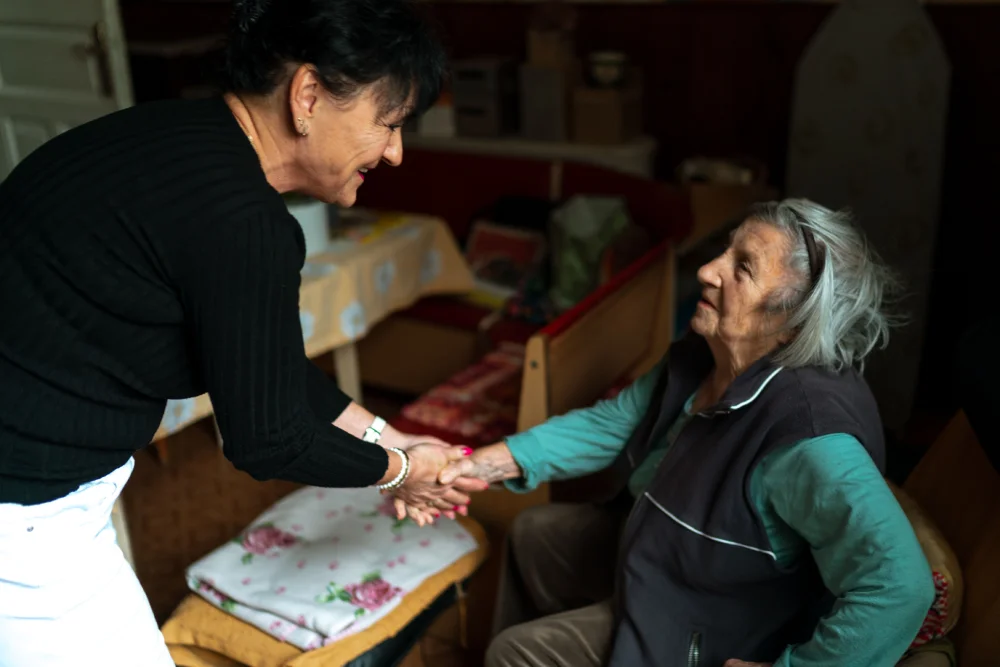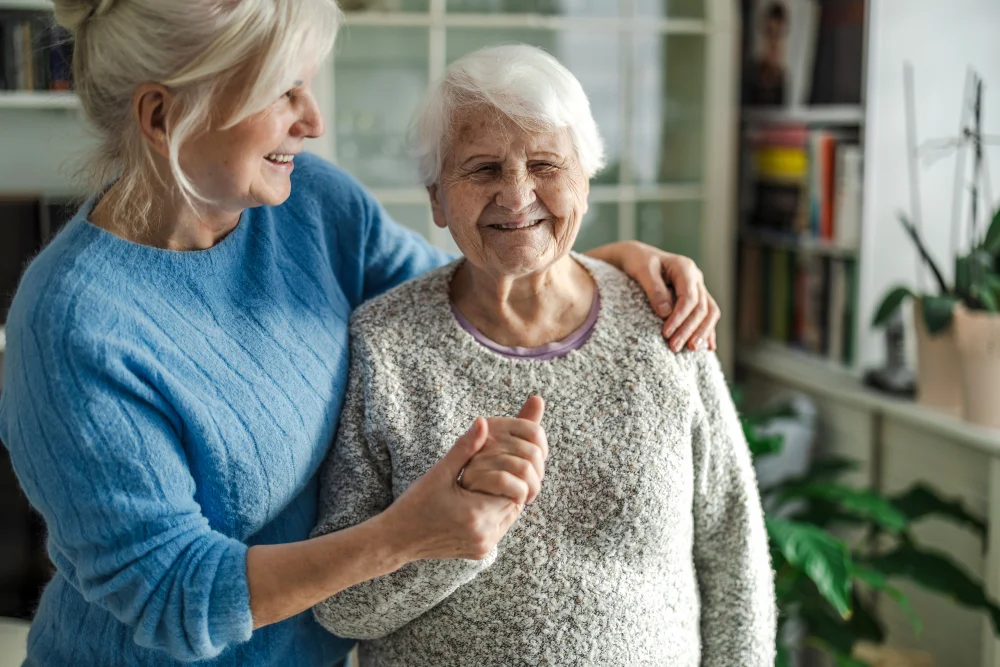
Loneliness is something many people experience at different stages of life—but in later years, it can become more frequent and more difficult to overcome.
Changes such as retirement, reduced mobility, or the loss of loved ones can mean that social circles grow smaller over time. Days can become quieter, routines less varied, and opportunities for connection fewer and farther between.
While a little peace can be welcome, ongoing loneliness can have a real impact on both emotional and physical wellbeing.
The Impact of Loneliness
Loneliness isn’t just about being alone—it’s about feeling disconnected.
Over time, it can affect mood, confidence, and even overall health. People may feel less motivated to stay active, eat well, or engage in activities they once enjoyed. Small tasks can begin to feel more difficult without encouragement or companionship.
Something as simple as not having someone to share a conversation with can make the day feel much longer.
The Power of Regular Connection
This is where care at home can make a meaningful difference.
Beyond practical support, regular visits from a carer provide something equally important: human connection. A familiar face arriving at the door, a friendly voice, and a genuine conversation can help break up the day and bring a sense of routine and reassurance.
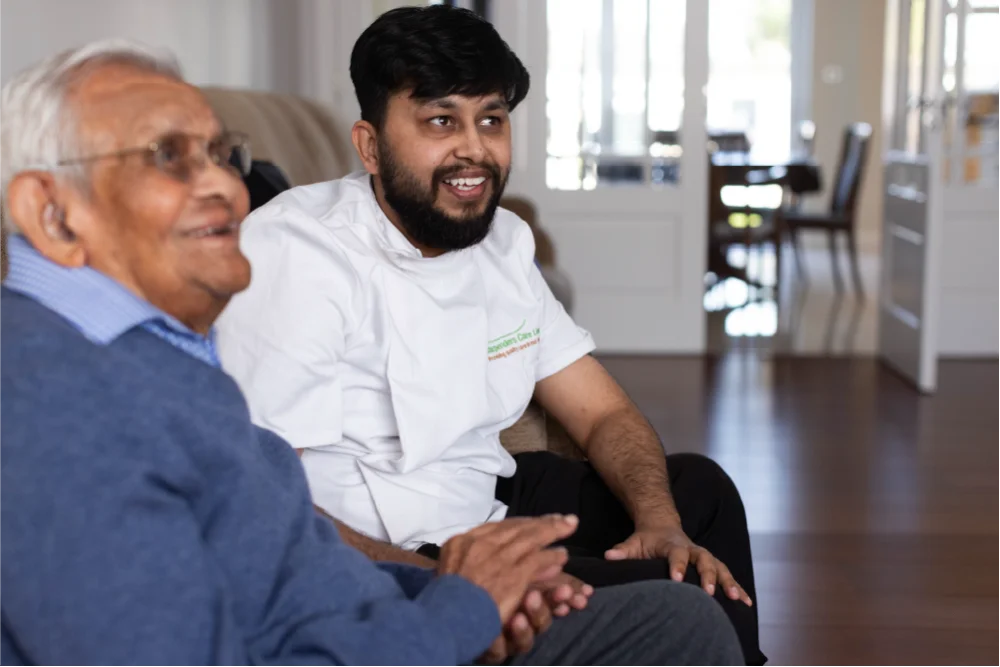
It’s often the small things—a chat over a cup of tea, sharing a story, or even a quick laugh—that help people feel more connected and less alone.
In fact, many clients say their favourite part of a visit isn’t the help itself—it’s the company.
Building Trust and Companionship
Over time, these regular visits can grow into something more than just support—they become trusted relationships.
Carers get to know the individual: their preferences, their routines, their stories. This familiarity helps build comfort and trust, turning each visit into something to look forward to rather than just a task to complete.
And yes, there’s often a bit of gentle humour along the way—because sometimes a shared laugh is just as important as anything else.
Encouraging Independence and Engagement
Care at home also helps people stay engaged with the world around them.
Whether it’s support to go for a short walk, help with hobbies, or encouragement to keep in touch with friends and family, these moments can make a big difference. Staying active and involved—even in small ways—can help reduce feelings of isolation and improve overall wellbeing.
A Simple but Powerful Difference
Loneliness in later life is a real challenge, but it’s not something that has to be faced alone.
Care at home offers more than assistance—it offers companionship, routine, and connection. It helps turn quiet days into shared moments and provides reassurance that someone is there, not just to help, but to listen and care.
Because sometimes, the most important part of care is simply knowing that someone is there for you.