
Choosing how to support an ageing parent or partner is rarely easy. You want them safe and comfortable, but it’s natural to worry about cost, upheaval, and making the wrong choice.
Whether a residential care home or home care in Harrow is right for your family comes down to your loved one’s health, wishes, and budget.
While staying at home offers independence in familiar surroundings, a care home provides full-time residential support. This guide offers an honest, clear comparison to help you decide.
Table of Contents
- The key difference between home care and a care home
- What home care in Harrow involves
- What a care home offers
- Home care vs residential care compared
- How to choose the right option for your family
- Common domiciliary and residential care questions
- Let’s find the right support together.
What we’ll cover
|
The key difference between home care and a care home
Home care brings professional support to your loved one in their own home. A care home provides accommodation and care together in a residential setting.
The main difference is location and lifestyle: one keeps a person in familiar surroundings, the other moves them into a shared community with staff on site.
Most older people have a clear preference. According to the Homecare Association, 38% of over-65s said they were more likely to choose care in their own home. Familiarity, control, and independence matter deeply.
What home care in Harrow involves
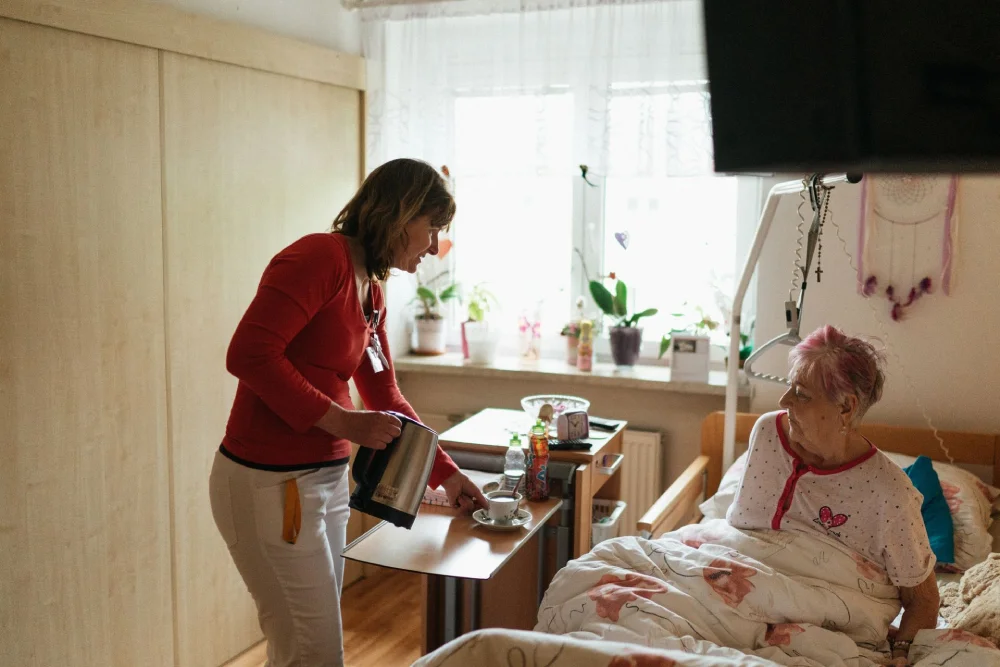
Home care, also called domiciliary care, means trained carers visit or live with your loved one to support daily life. It ranges from short weekly visits to full live-in care and adapts as needs change.
Carpenders Care provides flexible Harrow care at home, shaped around each person. Home care typically covers:
- Personal care, including washing and dressing
- Medication prompts and reminders
- Meal preparation and companionship
- Live-in care in Harrow for round-the-clock, one-to-one support
- Respite care to give family carers a proper break
Many families searching for carer agencies in Harrow start with a few hours and build up over time.
‘For us, local home care is deeply personal. It’s about building a genuine relationship, helping someone enjoy their daily routine, and giving families total confidence that their loved one is in safe, caring hands’. – Ola Ajai, Registered Manager |
What a care home offers
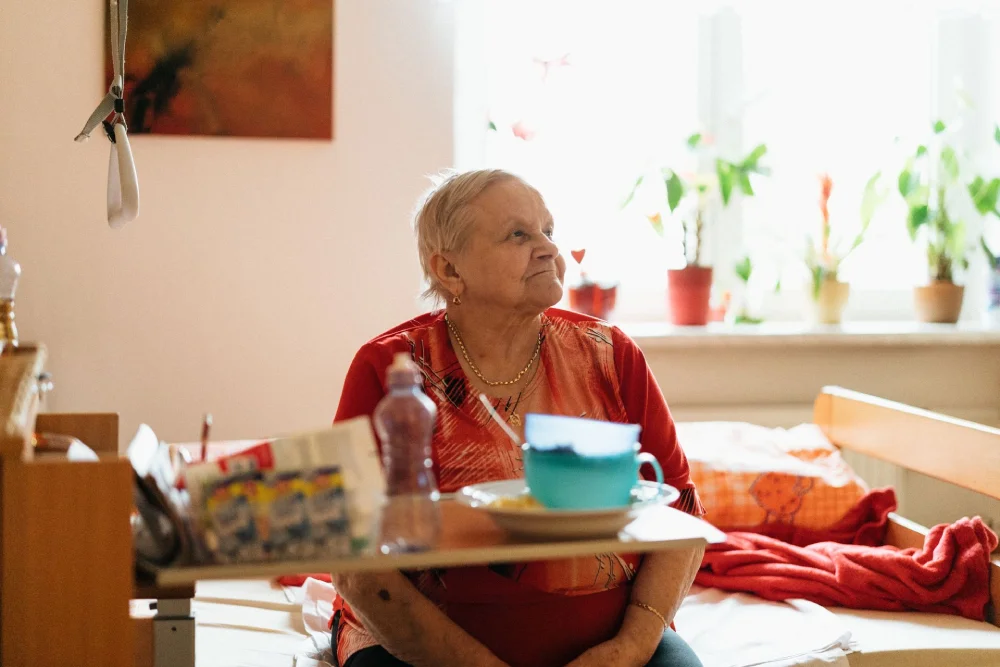
A care home provides accommodation, meals, and care in one residential setting, with staff on hand day and night.
Residential homes support daily living, while nursing homes add registered nursing care. This can suit people with complex needs, or those who benefit from company and structure.
Care homes offer 24-hour staffing and social activities under one roof. They can be the right choice when needs are high, or when living at home is no longer safe or practical.
Home care vs residential care compared
Both options deliver quality care, but they differ in setting, cost, and daily life. The table below compares the key factors to help Harrow families weigh them side by side.
| Factor | Home care | Care home |
|---|---|---|
| Setting | Own home, familiar surroundings | Shared residential home |
| Attention | One-to-one support | Shared among residents |
| Daily life | Keeps routines, pets, and neighbours | New routine and environment |
| Cost | Varies with hours; live-in for full support | Weekly residential or nursing fee |
| Best suited to | Staying independent at home | Complex or 24-hour residential needs |
On cost, Age UK reports a care home place averages around £949 a week, rising to about £1,267 for nursing care.
Home care costs vary with the hours you choose, so lighter support can cost less, while live-in care may compare with residential fees.
How to choose the right option for your family
The right choice balances your loved one’s needs, safety, finances, and what matters most to them. There is no single correct answer, only the option that fits your family best. A good provider will help you think it through without pressure.
Points to weigh up:
- Their wishes, as most people would rather stay at home
- Whether needs can be met safely at home, now and later
- Finances and any funding or benefits available
- Routine, independence, and social contact
- A professional care assessment to guide the decision
This preference holds even when health is failing. Alzheimer’s Society notes that two-thirds of people with dementia live in the community rather than in care homes, showing home is often the norm with the right support.
Common domiciliary and residential care questions
Which is more expensive, home care or nursing home?
It depends on the level of support needed. For lighter support of a few hours a week, home care is usually cheaper than a nursing home.
Full live-in care is broadly comparable to residential fees, so the most cost-effective option comes down to how much care your loved one requires.
Can home care support complex needs?
Yes. Domiciliary care in Harrow scales from a few visits a week to round-the-clock live-in care, and can support conditions like dementia, stroke recovery, and reduced mobility. Plans are reviewed as needs change.
What is the biggest complaint in nursing homes?
Common complaints include a lack of one-to-one attention, inconsistent staff, and loss of independence and familiar routine. Many families also raise concerns about limited personal choice in daily life. Home care avoids much of this by offering personalised support in familiar surroundings.
Can we switch from home care to a care home later?
Yes. Many families start with home care and move to residential care if needs increase. Beginning at home gives you time to make the right decision at your own pace.
How do I choose a home care provider in Harrow?
Look for a CQC-rated provider with trained, DBS-checked carers and clear communication. Carpenders Care offers a free assessment, so you can discuss needs before making any commitment.
Let’s find the right support together
Choosing between home care and a care home is rarely simple, but finding the right support starts with what keeps your loved one safe, comfortable, and independent. If you are exploring care in Harrow, Carpenders Care is here to help you weigh your options with warmth and honesty.